
Monsters/Masters
When it comes to art vs. art creators, where do we draw the line?

“If you're making an album, you're also going to deliver it to the public. And once you do that, it's theirs. It's the soundtrack to their memories. Their lives is what they hear, whether it's at their weddings or when it's a tragedy in their life. And they go to your music for solace, or they go to your music to have a catharsis or some sort of connection to feel like they're not alone. There's all these ways that people write to me and connect with me talking about ways they've danced to my music or song alone. Or, saw me at a concert and a song connects to their life in a way that I could never fully understand, but I deeply appreciate that — is what's in the future for an album. That's what the future of it is. It's a communal experience that people continue to add on to, and it really grows without any of your consent. You made it, it's gone. It's for the people.”
- Jon Batiste
Do you have an Artist in mind, whose work you previously adored previously but you detest them as a person now? A painter/author/musician whose work marks or is associated with a key moment of your life, yet you disassociate that person after some news you heard or read about them? Perhaps, the argument of separating the art from its artist or the creation from its creator, is never ending. I have been mulling over it for many years. Discussed with friends, colleagues and acquaintances on how they manage to handle this relationship. And this is just a summation of what I could capture. It is my personal take and I’m open to discussion. Truth be told, this is just skimming the surface and more like a conversation starter. Intentionally, I don’t wish to drop names because I’m sure you’re cleaver enough to know who I’m talking about. If not, well, one day you’ll surely know.
Art above Artist? or, Art vs. Artist?
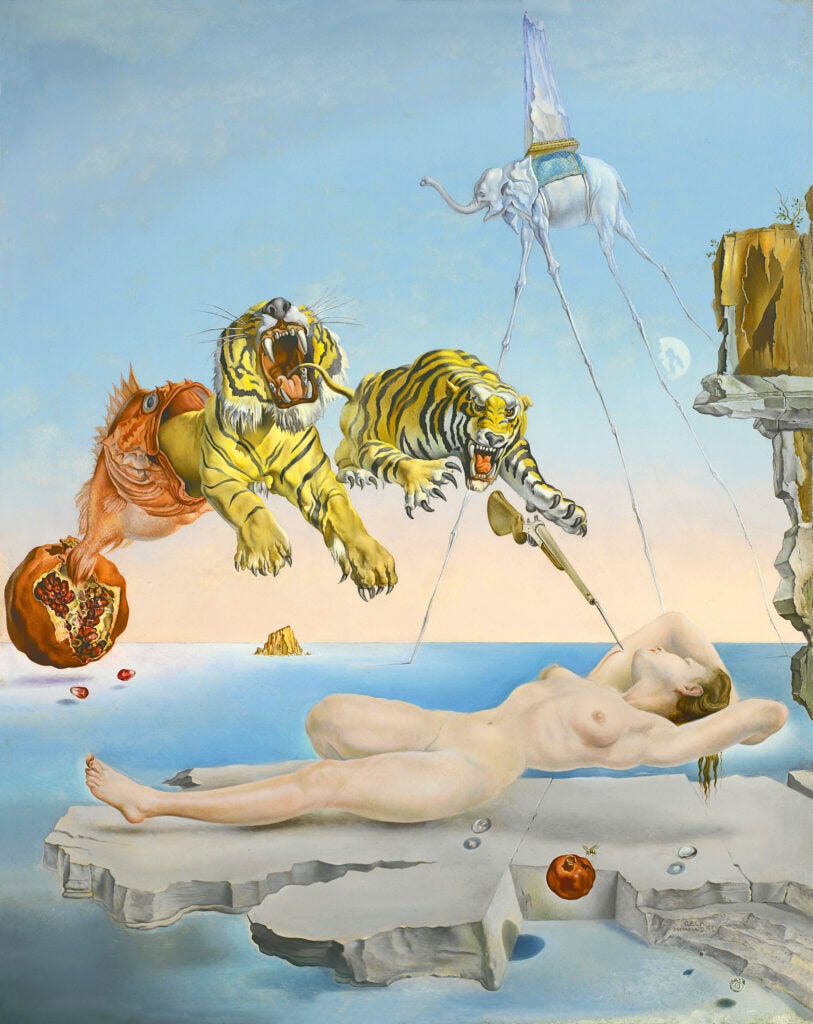
As mentioned earlier, this is an ongoing debate in my head ever since I learnt about one major pop artist who had left an indelible mark in my childhood and adolescence. However, when the skeletons from the closet started to roll out I did cancel that artist. Well, this was way before ‘cancel culture’ was a fad. Almost 15 years back, I completely stopped listening to their music. And completely shut those memories associated with that artist down. Believe it or not, the first ever album I purchased as a kid with my own savings was the cassette of this artist.
Then a few years later a similar instance happened with a filmmaker. A director, writer and actor who I looked up to, fell from grace. A similar cycle repeated. Then eventually #metoo happened. This was a time when stars rained from the skies and got flushed right into the storm water drains and to the ocean of no-redemption.
Now, quite recently it was an author of both adult and children’s books, who got exposed by one of his victims. Well, I relate to this and I’m sure for you too it is quite a puzzling phase. Imagine, most of the moments you treasured, the memories that doubled as milestones and people you felt were an integral part of your life all seemed to drift into a dark space you don't wish to revisit. So, at times, you feel you are losing out on your own identity. At least, the parts you only tend to identify because of what impact they've made. For instance, another children’s author who has a major fan following both amongst children and young adults and adults who grew up reading their books and the movies that were adapted to screen got to know this person had some polarizing opinions. That said, this is the time I felt there needs to be some decision made, a line drawn and navigate out of such doldrums. That's the time I did a bit of reading up, some discussions (both personal and virtual), this included speaking to the Author of the book Monsters - Claire Dederer (via Instagram) some time back. This was much before the book was launched. It was around the time her article titled What Do We Do with the Art of Monstrous Men? had just been published. I'm yet to finish the book, since it's quite triggering (#triggeralert). However, I've read and covered those parts in this post that address my concerns. That said, what I'm about to share is purely my views. More importantly, what I share below aren't my conclusions, but learnings from it. And it will evolve over time. Perhaps, I'll add a sequel to this post when I have something more to add. This is an on-going thread on how to separate the art from its artist. How we tend to approach art before and after we know about the person? How do we stand in support or show solidarity towards the victims who have endured the ordeal? How not to mock or overlook the pain you or I haven’t endured? Needless to mention, there will be a few thoughts I will revisit over the course of time.
1. Holier than thou attitude. Holier than whom?: This is our stance when we see our idols fall. So better thing to do is treat them as humans. Everyone is fallible. No exceptions. Respect them for their talent, but don't get carried away by it. In other words, they’re referred to as Idols for whatever they’ve accomplished in their respective fields. Maybe, it’s time we stop worship and see their worth for their work. Beyond that, it’s purely at your discretion.
2. It's personal, but is it permissible?: Of course it's their personal life, but who takes a call on if it's allowed or not allowed. They have their individual pasts and maybe that could be the reason why they behaved how they behaved. For instance, they themselves could have been victims of abuse and trauma. And like they say, mostly the abused becomes an abuser down the line. But does that justify their act? Well, there's law and order and higher authorities to decide that. However, we could still do our part in standing up or showing our objection by not being enablers. Don't promote the artist, if they're still alive. If the artist is dead, there’s no point in brewing over that. However, caution the ones who admire their art. Spread the word with those who aren't aware. But don't diss or judge the fans because of their idols. If they’re doing it regardless of knowing the truth, then maybe you could look at distancing yourself from them. That’s still a choice you make.
3. What's yours is yours: Once an artist puts their work out there it is no longer theirs. The memories you had with those songs/ music/ movies belong to you. The artist is tainted, however it should not taint your personal moments. Learn to separate. Let’s accept the fact that this so-called artist didn’t benevolently handover their art to you for free. They had a contractual obligation and a commercial intent. So, if anything, in an utopian world they could be paying for the real-estate they’ve occupied in your mind/memories. So, go ahead and try to keep whatever is yours as yours. I know it’s not easy, but it’s one way of looking at it. That’s the reason I started this post with the quote from Jon Batiste.
Pardon me if anything I said was crossing the line. This is mostly a note to self and to some near ones who have been conflicted on what to do with the monsters who they assumed were masters. I’m open to discussion and you may DM if you don’t wish to discuss it openly. This, like I mentioned previously, is a conversation starter. Nothing I’ve mentioned here is conclusive. I’m still working on it and refining a few thoughts which I may present a bit later.
It’s about people’s ability to associate the art with the artist. We’re not clones. We’re supposed to disagree. That’s what a pluralistic society does. But what we’re not supposed to do is dispose of each other because we disagree.
Erin Moriarty
Share your thoughts in the comments, at leisure.
#acnotes
This is a conversation we have around our dinner table often!
Monsters: A Fan's Dilemma by Claire Dederer talks to this so eloquently. Especially when it is someone we care about, it can feel so disheartening to find out that they are horrible people. Great work.