
salt & honey - #acnotes

Growing up, I rarely accompanied my parents to any funeral. I guess this was one amongst the first few I attended in my adolescence. It was on a wet June morning. And it had rained all night - the entire city wore that droopy face after a hard cry.
It was an Uncle on my mother's side. He had tried to wake up the previous morning with some uneasiness in his chest and sunk back into the bed, never to wake up again.
We had just returned from the cemetery after the burial. There were slippers, shoes, clogs and sandals in all sizes. All in no particular order, lying outside the door post. Some in pairs and some seperated, perhaps longing to be reunited or catching a breath while away from reach other.
The house was packed yet there was not much noise. People's murmurs filled the room. Aroma of incense sticks enveloped each and everyone present there. It was post noon now - lunch time. Slowly, the clatter of plates, vessels and cutlery was heard.
The Aunt, now a widow, sat wearing the same saree from the previous day. From the same morning she woke up from bed to realise she wasn't a wife anymore. The relatives who were present after the death kept saying she had the same expression since then. Blank. No tears, no grimace, no anger, no sadness. That day I could relate to that term expression - less. There was a face to that phrase now.
Some people stood, some sat. Some of them sat on the floor, some on a few chairs available in that small 2 BHK House. Everyone had had a place and except for the three women serving, every one else had food on their plate.
Steaming hot white rice, some dal poured on to it and a pappad with some stir fried beans or greens (I don't remember exactly) was served. But then, what follows is what I remember quite clearly. From a distance I could see this Aunt, sitting by the window with a plate in her hand. That was probably the first time I saw her look down a bit, into the plate. Her fingers mixed the dal and the rice. As she had a mouthful there was a quizzical look on her face. She looked around to spot one of them serving the food and she quite hushedly said "Salt". That instant they brought a pinch of salt on a small spoon and sprinkled it over the rice. She signalled to suggest that's enough. by the time I looked down towards my plate and looked up, she had finished whatever she could eat on that plate. In that silence, I could hear her heave a sigh of relief. That sigh was such, it sounded like she had found delight in this moment of grief - "Haa".

From that day on, there have been several funerals I've attended and none came close to what I saw that afternoon. That "sigh" amidst such grief. Well, to each their own way of handling grief, but for me, I was trying to make sense out of that moment. Truth be told, there are many such moments that haunt us all through our life time, but when we unexpectedly find some meaning to affix to such an instance, it really helps you in equipping you to face life or find some purpose behind this existence.
Cut to, yesterday evening when I quoted this poem to a friend - this one line I oft quote. Thanks to Elizabeth Gilbert for mentioning this in her book 'Big Magic', it's the poem titled
"A Brief for the Defense"
by Jack Gilbert
"The poor women at the fountain are laughing together between
the suffering they have known
and the awfulness in their future,
smiling and laughing while somebody
in the village is very sick.
There is laughter every day
in the terrible streets of Calcutta,
and the women laugh
in the cages of Bombay.
If we deny our happiness,
resist our satisfaction,
we lessen the importance
of their deprivation.
We must risk delight.
We can do without pleasure,
but not delight. Not enjoyment.
We must have
the stubbornness to accept
our gladness in the ruthless
furnace of this world."
Indeed. This is when it struck me. That light bulb moment.
"We must risk delight."
Well, we can ofcourse do without pleasure but not delight. We need those little pockets of joy to indulge in. In a crowded bus, that cool waft of breeze from the window. On a long tiring day at work, a cup of your favourite beverage - be it coffee, tea or a cold and tall glass of water. A scoop of vanilla ice cream after a heated argument with your partner. After returning home, just washing your legs in warm water. A hair massage or a pedicure if you could afford, even though you're all worked up yet underpaid. A pre-loved book of a title you've been looking for at a good price. An extra serving or cup of dessert from the waiter while having a quick lunch before getting back on the road. Earphones and a Playlist to accompany you as you navigate through heavy traffic during your commute. All these and more, count. They matter. They make a difference to keep you going. Take that pause. Indulge a little.
Risk delight.
On a closing note, I'll share just the monologue from a movie's trailer I love the most. Perhaps, to those who know Tamil, this truly drives the point home. To those who don't know Tamil, I'll try my best to translate. That said, I still suggest you listen to the audio to get the tone of this monologue delivery.
https://lynkify.in/song/super-deluxe-pt-2/pQj6RKZc
Translation:
“Imagine a man walking alone on a narrow path, in the woods.
Suddenly, he's chased by a tiger from behind. He runs for his life, circling around a cliff,but reaches the tip/edge.
To save himself from the tiger, he jumps off the cliff, but holds onto a vine dangling from a tree nearby.
As he sways from the vine, he realises it's not a vine but a python.
If he lets go, he will hit rock bottom.
If he somehow manages to swing back to the cliff the tiger will devour him. And if he continues to cling to the snake, it might just swallow him.
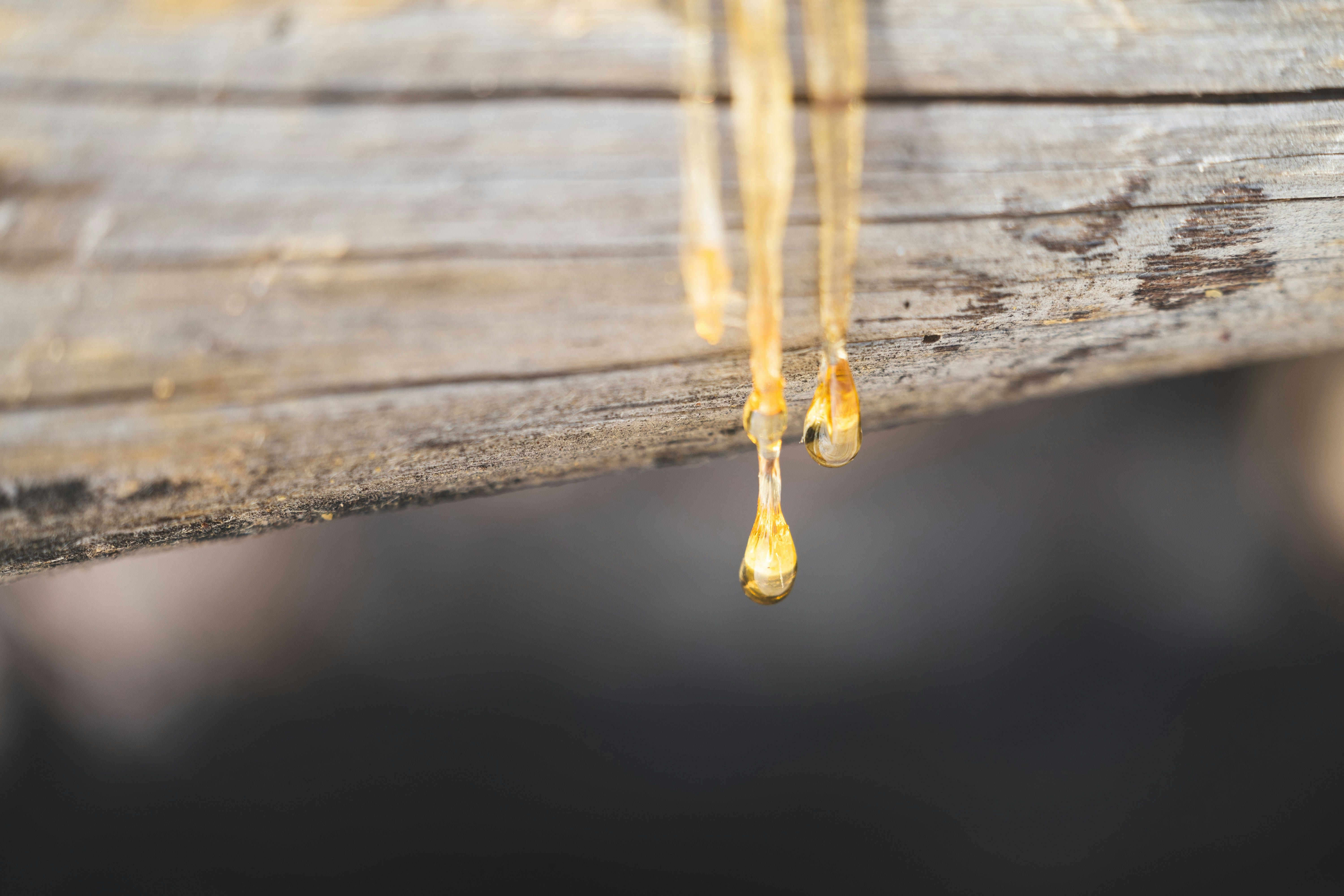
Just then, he spots a beehive right above his head on a branch. And from that hive a few drops of honey are dripping one after another.
That moment, that very bloody moment, he goes into a zen mode. A stoic posture.
And slowly obliterates the perils in his head.
The tiger.
The rock bottom.
The python.
May they all be damned.
And the very next thing he does
is savour the dripping honey
that kisses his lips,
and he risks delight*.”
*Ahaa- risk delight.
#acnotes
PS: Please excuse any errors in the translation. I've tried.
This is beautiful, layered like grief itself, textured like memory when it becomes meaning. And “she signaled that’s enough”…. somehow, it says everything about the economy of survival. Not just of salt and rice, but of feeling. We all ration grief in teaspoons when it threatens to drown us by the gallon.
Your reflection reminded me that delight, in its quietest form, is sometimes not joy at all, but a kind of elegant defiance. A refusal to let pain be the only language in the room. In that widow’s sigh, I heard something ancient: the body remembering life even when the soul forgets how to want it. To salt your rice in mourning is to season death with appetite.
Gilbert’s line, “We must risk delight”, has always struck me as dangerous in the best way. Because delight is not denial, it’s revolt. Against numbness. Against despair’s monopoly. Against the idea that to be good is to be grave.
Delight is not just a pause in suffering. Sometimes it’s the only thing that makes the suffering bearable without turning us cruel. People who cannot feel pleasure often lose the capacity to empathise. So perhaps delight is not luxury? But emotional hygiene…
Thank you, Amit, for this exquisite offering. I’ll never again see a grieving woman eat without listening for the breath between bites. That sacred, scandalous sigh of the living….
Lovely read! I could visualise the funeral home scene so well, and I have been to one that felt exactly the same.